 Email:
  Telephone: +86-13951382065
 English
 中文简体
中文简体 русский
 Français
 Español
 عربى
عربى
Content
Two bags of heavy calcium carbonate can look identical at first glance, yet behave very differently when mixed into a plastic compound or a water-based paint. One disperses evenly, while the other leaves gritty specks that end up as visible defects on the finished surface. The difference usually starts at the mineral deposit and continues through grinding, classification, and storage. Heavy calcium carbonate, also known as ground calcium carbonate (GCC), is a mechanically milled filler whose performance depends on ore quality, particle size distribution, and the design of the grinding system. Understanding these variables is the key to specifying a product that meets both technical and financial targets.
What Is Heavy Calcium Carbonate?
Heavy calcium carbonate is produced by crushing and grinding natural carbonate rocks such as calcite, marble, limestone, and chalk. Unlike precipitated calcium carbonate (PCC), which is synthesized from lime and carbon dioxide through a chemical process, GCC retains the original crystal structure of the source mineral. That structural difference explains several practical behaviors: GCC particles are denser and less regular in shape, while PCC crystals can be grown into uniform shapes such as needles or cubes.
Because GCC is a mineral powder rather than a chemical precipitate, its properties sit close to the parent rock. High-purity calcite or marble yields high whiteness, good heat resistance, chemical stability, and low oil absorption. These characteristics make heavy calcium carbonate a cost-effective filler in plastics, paints, rubber, paper, sealants, and construction materials.
Heavy Calcium Carbonate vs. Light Calcium Carbonate
The distinction between heavy and light calcium carbonate is often misunderstood. A simple side-by-side comparison clarifies the main differences:
| Parameter | Heavy Calcium Carbonate (GCC) | Light Calcium Carbonate (PCC) |
|---|---|---|
| Source | Natural rocks such as calcite, marble, limestone | Produced from lime and carbon dioxide |
| Production method | Mechanical crushing and dry or wet grinding | Chemical precipitation and carbonation |
| Particle shape | Irregular, retains mineral crystal structure | Regular, often needle-like or cubic |
| Whiteness | 90–97% depending on ore purity | 95–99% typical |
| Oil absorption | Lower | Higher |
| Bulk density | Higher | Lower |
| Relative cost | Generally lower | Generally higher |
| Typical applications | Plastics, paints, building materials, rubber | Paper coating, pharmaceuticals, high-end plastics |
These differences matter in practice. In a plastic masterbatch, for example, the irregular shape of GCC can help anchor the filler in the polymer matrix, while the higher oil absorption of PCC might require more dispersant. Selecting one is not about which is better; it is about matching the powder to the end-use requirement.
Why Particle Size Distribution Matters
The chemical formula of calcium carbonate is simple, but the behavior of a powder in a formulation is largely defined by its particle size distribution. A 1250-mesh GCC used in PVC pipes needs a tight distribution to produce a smooth surface and consistent mechanical strength. If the distribution is wide or contains a few coarse oversize particles, those larger grains can act as stress points and reduce impact resistance. In water-based paints, fine particles improve gloss and covering power, while coarse fractions create a rough film and lower opacity.
Different industries therefore specify heavy calcium carbonate by characteristic parameters such as d50, d97, and top-cut size. For plastic fillers, a common requirement is 1250 mesh with a d97 around 10–15 micrometers. For coated paper, the same material may need to be milled to 2000 mesh or finer. The ability of the grinding system to maintain a stable cut point is often more valuable than reaching a small average size.
Whiteness is another critical quality indicator. High whiteness opens up application possibilities, especially in white masterbatch, paint, and paper. The ore selection and the processing line both contribute to the final color. Operators who need stable brightness pay close attention to maintaining high whiteness and low impurity levels throughout the milling process, because contamination from steel wear parts or feed dirt will directly reduce the commercial value of the powder.
How Heavy Calcium Carbonate Is Produced
The production line for heavy calcium carbonate starts with selective quarrying. Raw stone is first crushed by a jaw crusher and then a cone crusher or impact crusher until the feed size is suitable for the grinding mill. After crushing, the material enters a mill where it is ground by rollers or ring-rollers against a grinding ring or table. An air classifier then separates fine powder from oversize particles, and the oversize returns to the mill for further grinding. The final product is collected by a baghouse or cyclone, and the whole system is often operated under negative pressure to control dust.
For many medium-fineness applications in building materials and general industry, a traditional pendulum mill remains an efficient, low-risk choice. In plants that process a variable feed, the LYH998 4-roller Raymond grinding pendulum mill offers the ability to adjust fineness from 60 to 600 mesh while maintaining predictable operating costs. Its simple structure and robust wear components are well suited for continuous production.
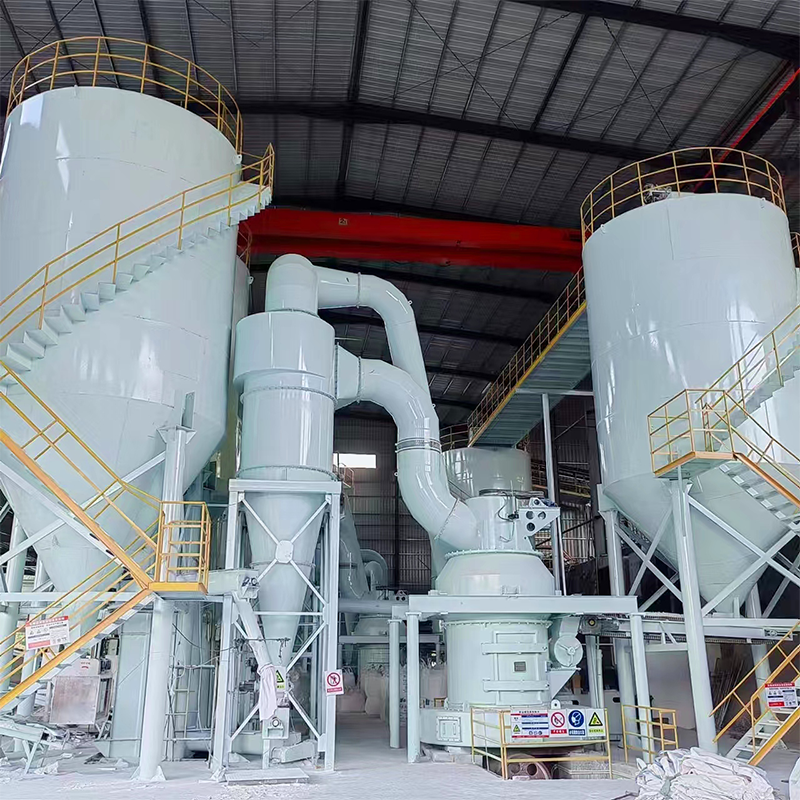 Raymond Mill Manufacturers, Pendulum Mill Factory, SuppliersLIYUANHENG - Raymond Roller Mill Manufacturers and Raymond Grinding Mill Factory, Pendulum Mill Suppliers in China, 4 Roller Raymond Pend...View Product →
When the project requires higher throughput and lower energy use, a vertical grinding mill often provides a smaller footprint and an integrated classification loop. The LYH1008 vertical grinding mill is engineered for larger mineral powder lines, and its design helps reduce the number of auxiliary conveyors and elevators compared with a traditional pendulum setup.
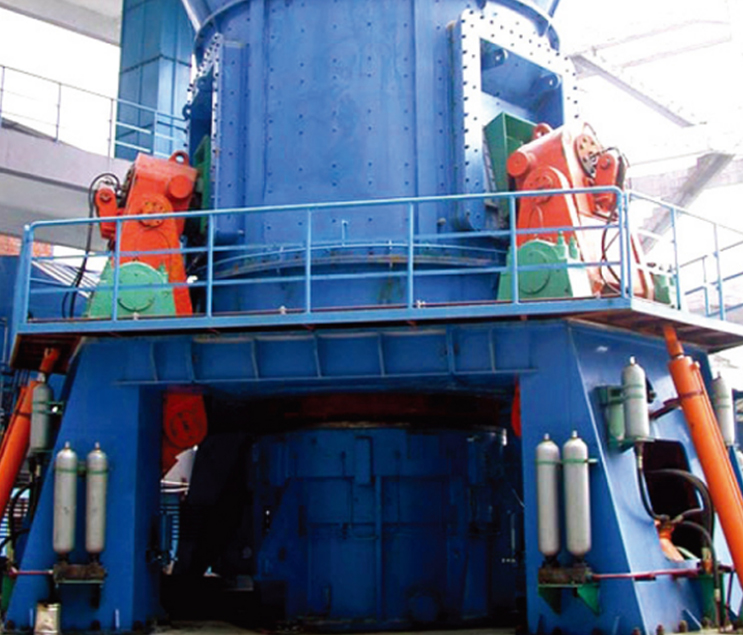 Vertical Grinding Mill Manufacturers, Factory, SuppliersLIYUANHENG Mineral Grinding Machine Manufacturers, China Vertical Grinding Mill Factory and Suppliers, Barite Grinding Mill and Dolomite ...View Product →
Ultrafine grades, typically 800 mesh and finer, demand higher grinding pressure and more precise classification. The LYH996 new-type intelligent vertical ring roller mill combines a ring-roller grinding mechanism with intelligent control, allowing the operator to stabilize particle size distribution even when feed quality fluctuates. That control is especially valuable for premium fillers used in masterbatch, plastics, and paper coating.
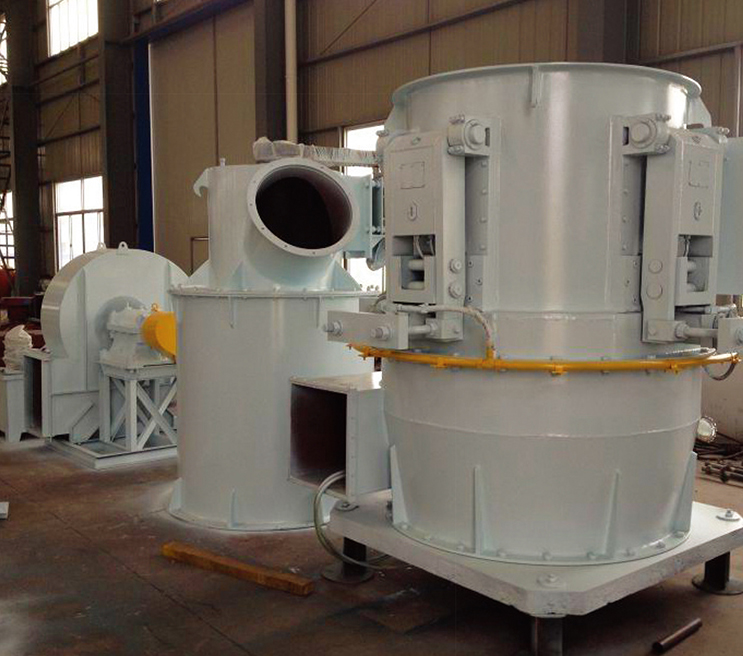 Ring Roller Mill Manufacturers, Vertical Roller Mill FactoryVertical Ring Roller Mill Manufacturers and Roller Grinding Machine Factory, Superfine Powder Roller Mill Suppliers in China, LIYUANHENG ...View Product →
After the mill, moisture control becomes part of the powder handling routine. GCC absorbs ambient humidity quickly, so storage silos should be dry and the packing area kept under controlled conditions. If the powder is transported in bulk bags, using moisture-resistant liners protects product quality.
Selecting Grinding Equipment for Heavy Calcium Carbonate
Choosing the right grinding equipment is not simply a matter of matching a capacity figure on a datasheet. The selection process starts with the raw material itself. Feed size, moisture level, and the presence of impurities determine how much preparation work is needed before the mill. For example, limestone with 5% moisture can be handled by an integrated drying-and-grinding system, but if the baghouse or classifier is not designed for the extra moisture, production will drop and filter bags will blind.
Hardness is usually not a major obstacle for calcite, because its Mohs hardness is around 3. However, the abrasive silica content in the ore varies from one deposit to another. A higher quartz content accelerates wear on grinding rolls, liners, and classifiers, so the equipment design should include inspectable and replaceable wear parts. Budgeting for wear parts is also essential. Every ton of GCC powder consumes some fraction of the grinding roller and ring, and the cost per ton of those parts can be more important to your bottom line than the initial purchase price.
Project teams should also consider whether they need only a single mill or a complete grinding system. Some operators choose to install one grinder in an existing plant and rely on their own engineering resources. Others, especially when building a new facility, prefer a turnkey package that covers design, equipment supply, installation, and commissioning. A supplier with EPCM experience can reduce interface mismatches between the crusher, mill, classifier, and collecting system.
Energy efficiency is another selection factor that shows up in operating cost month after month. A mill with lower specific power consumption per ton of product will earn back a higher initial price if the line runs for many years. When comparing offers, request performance data for the same target fineness rather than comparing maximum motor power. The system that achieves the required d97 with the least waste heat is usually the one that will be cheaper to run.
Storing and Handling Heavy Calcium Carbonate Powder
Once the powder leaves the mill, the handling environment starts to affect its quality. Heavy calcium carbonate is hygroscopic. In a humid warehouse, the surface of the particles attracts moisture, causing agglomeration and flow problems in pneumatic conveying or dosing equipment. Silo discharge can become erratic if the powder becomes too cohesive. For this reason, finished product silos should have dry air purging or at least minimal exposure to outdoor air.
Packing is another point where moisture can enter. Ventilated valve bags are convenient for packing, but for long storage periods, laminated paper bags with a PE inner layer provide better protection. The packing scale also needs to be accurate, because underweight bags create customer complaints and overweight bags reduce your margin. Maintaining a disciplined checking routine for bag weight and seal quality is part of a reliable supply operation.
Final Thoughts
Heavy calcium carbonate remains one of the most cost-effective functional fillers available to industry, but its value depends on how carefully it is produced and handled. The source mineral, particle size distribution, whiteness, and moisture management all feed into the final product performance. Buyers who rely only on mesh number may be surprised by differences in d50, d97, and oil absorption. Instead, define the full specification for your application and verify that the grinding system can hold it stable over weeks of production.
Whether you are expanding an existing powder line or planning a new heavy calcium carbonate plant, the key is to look at the whole circuit: crushing, feeding, grinding, classification, collection, and packing. Choosing a mill that matches the feed material and the target fineness, while keeping energy and wear costs under control, will make the difference between a product that meets spec and one that causes endless downstream complaints.

 Email:
  Telephone: +86-13951382065
 Phone: +86-13951382065